June 30, 2026
The great outdoors: why outside time matters for kids
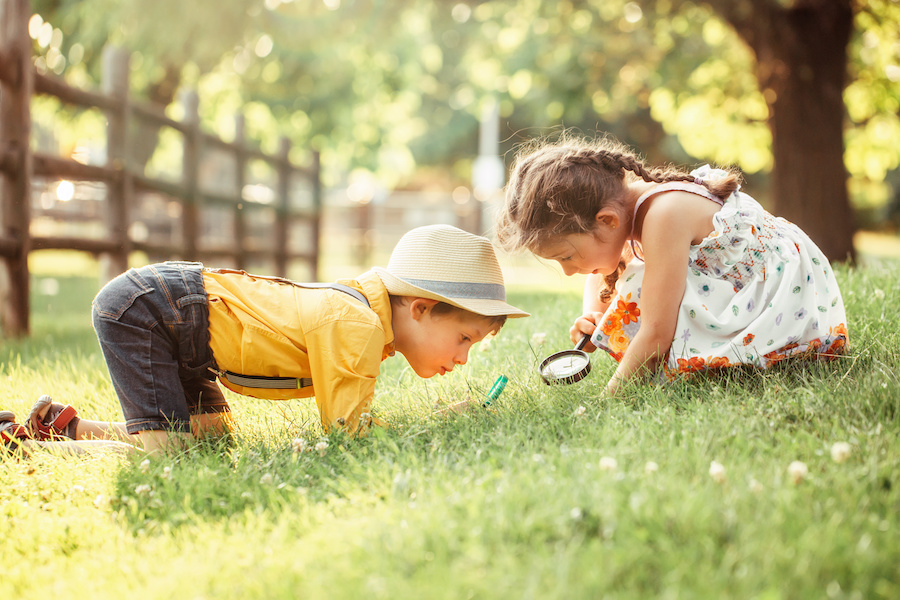
Why playing outdoors is important for kids
We all have a sense that being outside is good for us but pinning down exactly why can be surprisingly tricky. Here’s a look at what’s really going on when kids spend time outdoors and why it matters more than you might think.
Fresh air
There’s something unmistakably restorative about throwing open the windows on the first warm day of spring or taking a long, slow breath on a forest trail. But why does fresh air feel so good?
For starters, the air quality outside is likely better than what you’re breathing indoors. The EPA notes that indoor air has the potential to be more polluted than outdoor air – a result of heating and cooling systems, things we burn (oil, gas, tobacco) and the materials our buildings are made of.
There’s also a mood connection. Spending time outside means more exposure to natural sunlight, which boosts the brain’s production of serotonin, the hormone linked to feelings of happiness and calm. Higher serotonin levels are associated with reduced anxiety and depression. So that lifted feeling after an afternoon outside? It’s real and it’s backed by science.
Physical activity
Kids are bundles of energy and that energy needs somewhere to go. Experts recommend that children get at least 1 hour of physical activity every day. Outdoor play is one of the most natural ways to make that happen. Regular movement supports:
- Healthy growth and development
- Better self-esteem
- Stronger bones, muscles and joints
- Better posture and balance
- A stronger heart
- A healthier weight range
- Learning new skills while having fun
- Better focus and concentration
Physical activity is also a powerful stress reliever for kids. It gives their bodies a productive outlet and helps them show up calmer and more focused in other parts of their day.
Stimulation without a screen
Most parents and caregivers have seen what too much screen time can do – the overstimulation, the meltdowns, the wild behavior that can follow. But not all stimulation is the same. Young kids actually need stimulation to develop critical neural networks in the brain and the question is what kind.
The outdoors delivers the good kind in abundance. Natural environments offer open-ended, ever-changing sensory experiences that engage kids’ curiosity without overwhelming them. Sticks, mud, wind, bugs – nature invites exploration on a child’s own terms.
Imagination + creativity
Without a predetermined script, kids outdoors get a blank canvas. A stick becomes a wand. A pile of rocks becomes a city. This kind of unstructured, imaginative play is fertile ground for creativity and creativity is foundational to success in just about every area of life. It supports self-expression, emotional intelligence and the kind of flexible thinking that helps kids (and adults) solve problems.
Psychologists have found that make-believe play also builds self-regulation, including reduced aggression, the ability to delay gratification and greater empathy. Those are exactly the qualities we hope to cultivate in the next generation of community leaders.
Attention spans
Nature doesn’t ask anything of you. It doesn’t quiz you, prompt you or demand your focus. It just exists and that low-demand environment turns out to be deeply restorative for the brain.
Researchers have found that children with ADHD who take a 20-minute walk in a park can improve their symptoms as effectively as a dose of prescription stimulant medication. Even for kids without ADHD, time in nature gives the brain a chance to rest, reset and return to focused tasks with more ease.
Support
Through the UW Combined Fund Drive (UWCFD), you can support nonprofit organizations working to make outdoor recreation accessible and equitable for all. Make a one-time gift or set up an ongoing payroll deduction by searching for a charity by name or cause. If you don’t see the organization you’re looking for, reach out at uwcfd@uw.edu and we’ll work to get them added.
Your gift makes a difference.