June 30, 2026
Make a splash, stay safe: water safety tips for summer
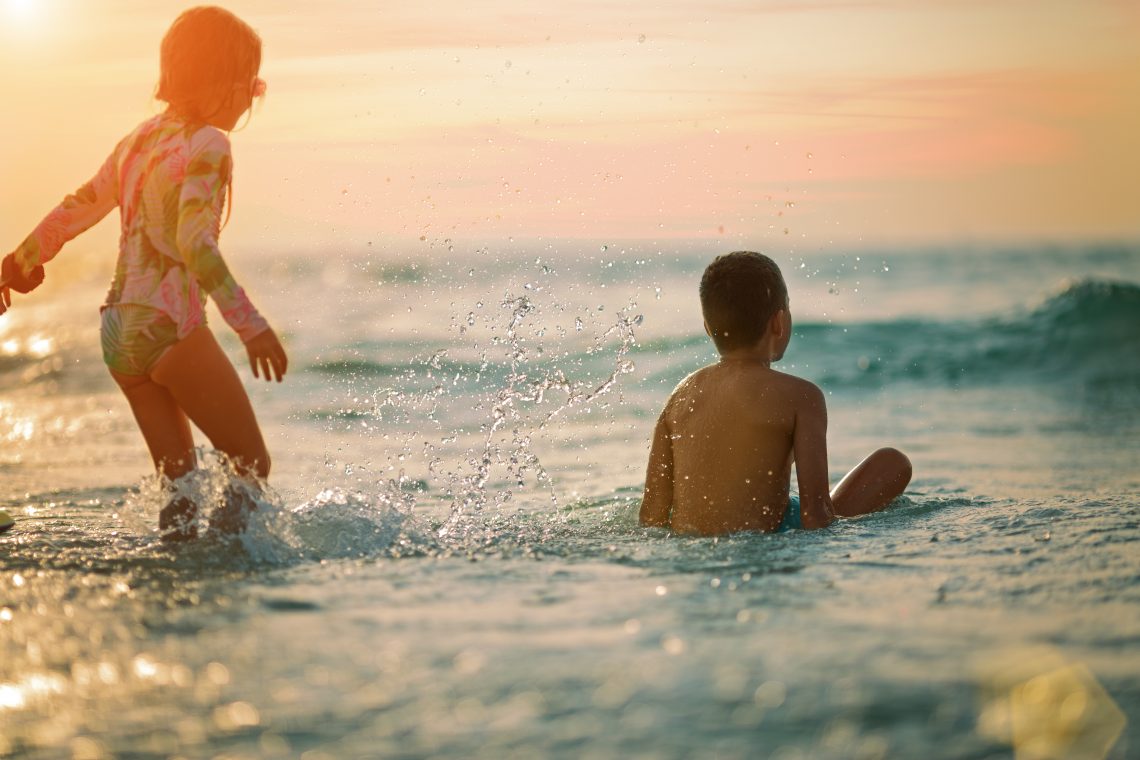 Be water-safe this summer
Summer in the Pacific Northwest is something special. Hiking, cycling, running, boating, horseback riding, fishing, open water swimming…we really do live in a place with an embarrassment of riches when it comes to getting outside.
And with all that outdoor abundance comes an important reminder: enjoying our waters means being water-safe. More than 4,500 people drown each year in the United States. These are deaths that are both predictable and preventable. Even confident, strong swimmers can get into trouble.
It’s also worth knowing that drowning risk isn’t evenly distributed. Males face higher risk than females across all age groups. Young children under age 4 face the highest overall drowning rates, and drowning is the leading cause of death in that age group. Race is also a factor: Black people, historically denied access to swimming pools and lessons, are consequently less familiar and comfortable in the water and drowning death rates for Black people have been rising at a disproportionate rate.
How to be water-safe
The following water safety tips come from the American Red Cross, Water Safety USA and Families United to Prevent Drowning, who share a vision of a world where not one more drowning fatality or near-fatality ever occurs.
Learning to swim is the #1 recommendation for water safety.
Teach your children to swim and, if you haven’t already, learn yourself. For children ages 1 to 4, formal swim lessons are associated with an 88% reduction in the risk of drowning. At a minimum, children and adults should achieve the skills of water competency: being able to enter the water, get a breath, stay afloat, change position, swim a distance and get out safely.
Know before you go. Check the weather forecast and water conditions ahead of time. Cold water can be dangerous even on warm days.
Plan and prepare. Lifeguards aren’t always present, so find out if they’re on duty and try to swim when they are. If you’re heading out on the water, bring essential gear like navigational devices and paddle floats.
Wear a life jacket. Always wear a properly fitted U.S. Coast Guard-approved life jacket when on a boat and if in a situation beyond someone’s skill level.
Build a safe and inclusive environment. People have different comfort levels with water, and we’re safer together. When recreating with young children or in groups, designate a water watcher.
Know how to respond. If someone is in trouble, call 911 and get help. Do not go in the water after them.
- To assist others: reach for them or throw something to them. Don’t go in after them.
- If you’re in trouble: flip, float and relax (like a starfish).
Prevent unsupervised access to water. Fence pools and spas with adequate barriers and keep a watchful eye on any water hazards, including portable splash pools, slides, buckets and bathtubs.
Respect the water. Water can be powerful. Always tell someone your plan before heading out solo. Obey posted safety signs, learn to read water conditions and stay alert. Whitewater can be especially unpredictable. Learn about responsible paddling.
Take action
- Be an ambassador for water safety by taking a free online water safety course through the American Red Cross.
- Looking for swim lessons? Try the American Red Cross lesson finder or the USA Swimming youth lesson finder.
Make it better. All water sources are connected and home to fish and other life. Help protect our waters by leaving your environment cleaner than you found it.
Support
Through the UW Combined Fund Drive (UWCFD), you can support nonprofit organizations working to keep our lakes, rivers and waterways safe, clean and accessible, or to help all kids and adults learn how to swim. Make a one-time gift or set up an ongoing payroll deduction by searching for a charity by name or cause. If you don’t see the organization you’re looking for, reach out at uwcfd@uw.edu and we’ll work to get them added.
Your gift makes a difference.